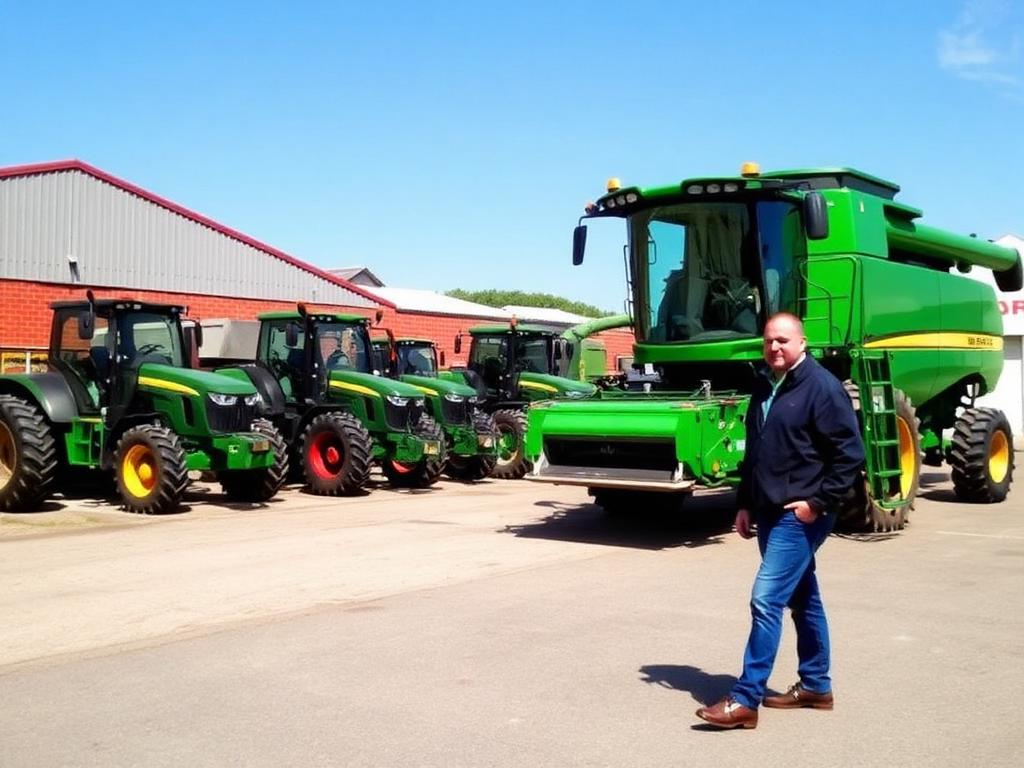
Farm Machinery Dealing
$80,000 – $500,000 a year
A single combine harvester changes hands for the price of a house. Dealers work on margin plus finance commission plus the trade-in they resell twice. Low volume, enormous ticket size.
Business, not salaries
Did you know you can Make BIG MONEY with just a Simple Business Idea or Concept. Almost every Winning Product or Service you use today and take for granted, Started as a Business Idea or Problem Solving Solution. Take for example UBER, this solved the Taxi, Passenger Transport and Food Delivery situation all in One Business. We take Uber for Granted now, but remember a time Before Uber existed ? This is how all Business Opportunity and Ideas Start, through Thoughts that are Actioned. Many of these Concepts you can begin yourself to make Big Money. It's about the Out-of-the-Ordinary Businesses and Deal-Driven Roles where Individuals and small companies make genuinely Big Money — Dealing in Machinery, Trucks, Aircraft, Hire fleets, Livestock, Real Estate and the unglamorous niches most people never notice exist .. here are some Big Money Possibilities ..
$80,000 – $500,000 a year
A single combine harvester changes hands for the price of a house. Dealers work on margin plus finance commission plus the trade-in they resell twice. Low volume, enormous ticket size.
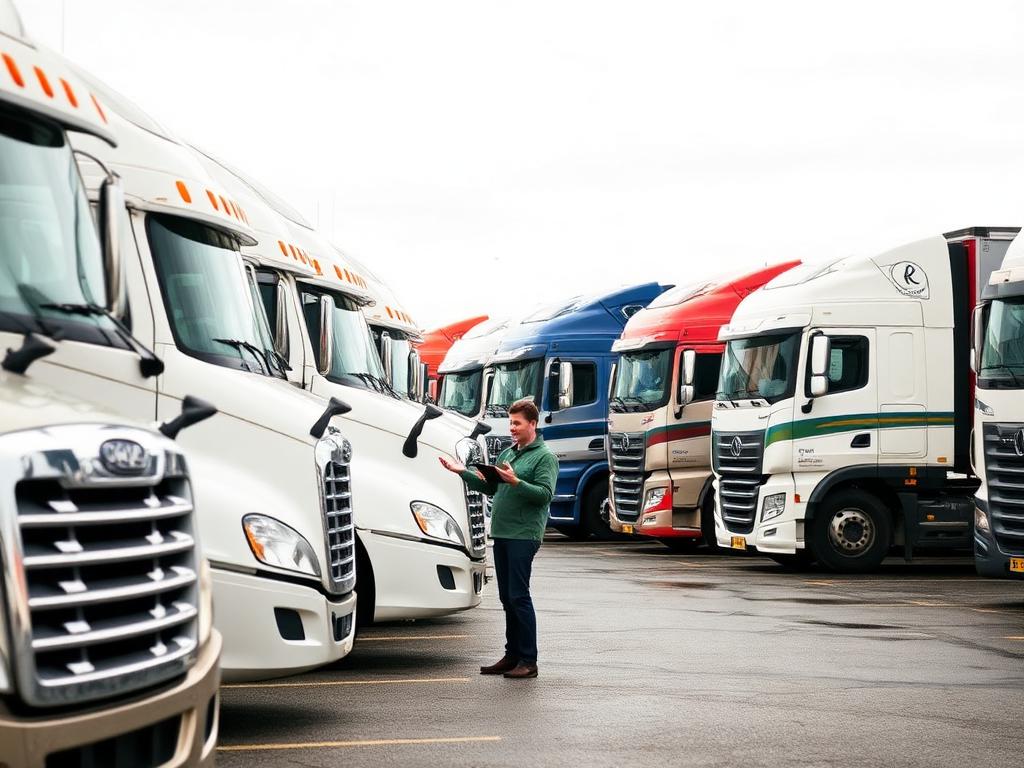
$70,000 – $350,000 a year
Fleet buyers replace dozens of units at once. Commission on a single fleet order can beat a year of ordinary sales work.

$100,000 – $1,500,000 a year
Broking a used business jet pays a percentage of a multi-million dollar deal. Tiny industry, relationship-driven, no formal qualification — just credibility.
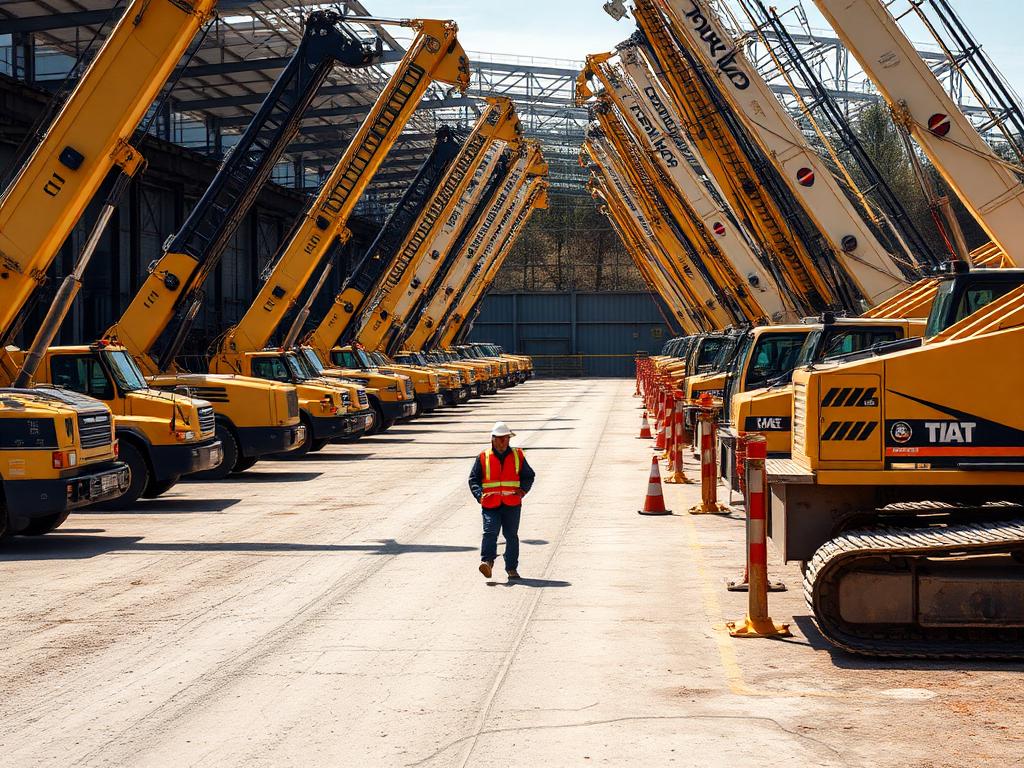
$90,000 – $800,000 a year
Buy the asset once, rent it out for a decade. Big money comes from utilisation rates and keeping operators on the books.
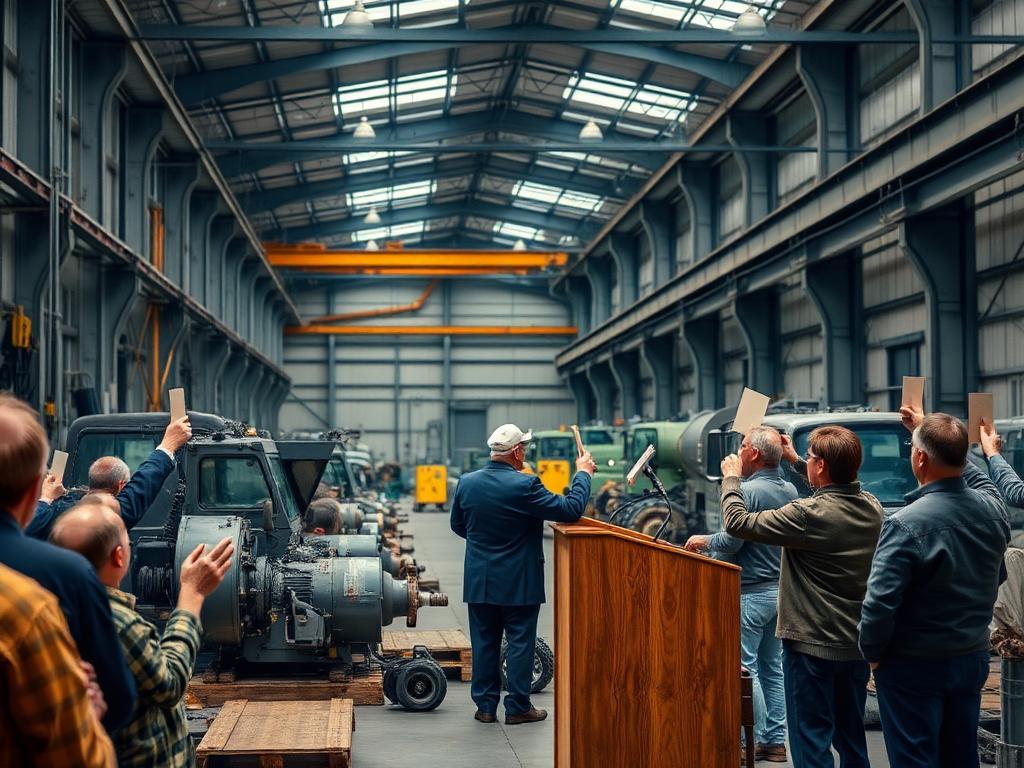
$60,000 – $400,000 a year
Commission on every lot in a factory clearance, plus buyer premiums. Liquidations happen in every economy, good or bad.
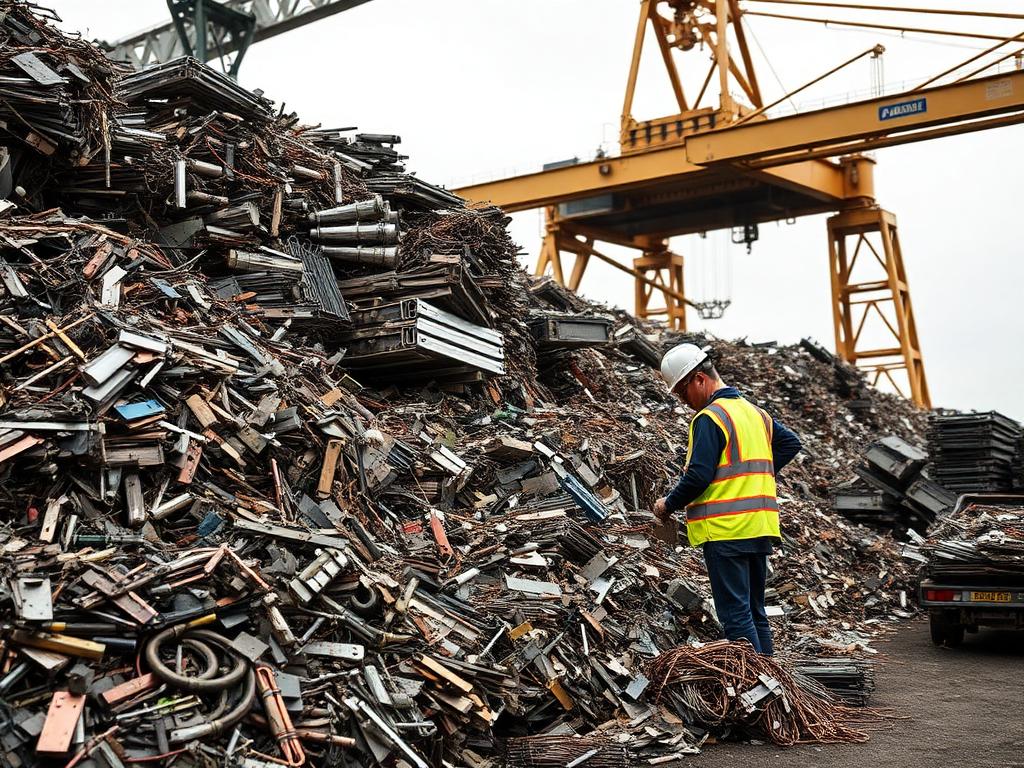
$50,000 – $400,000 a year
Unglamorous, dirty, and the margins on non-ferrous metal are genuinely large when you control collection.
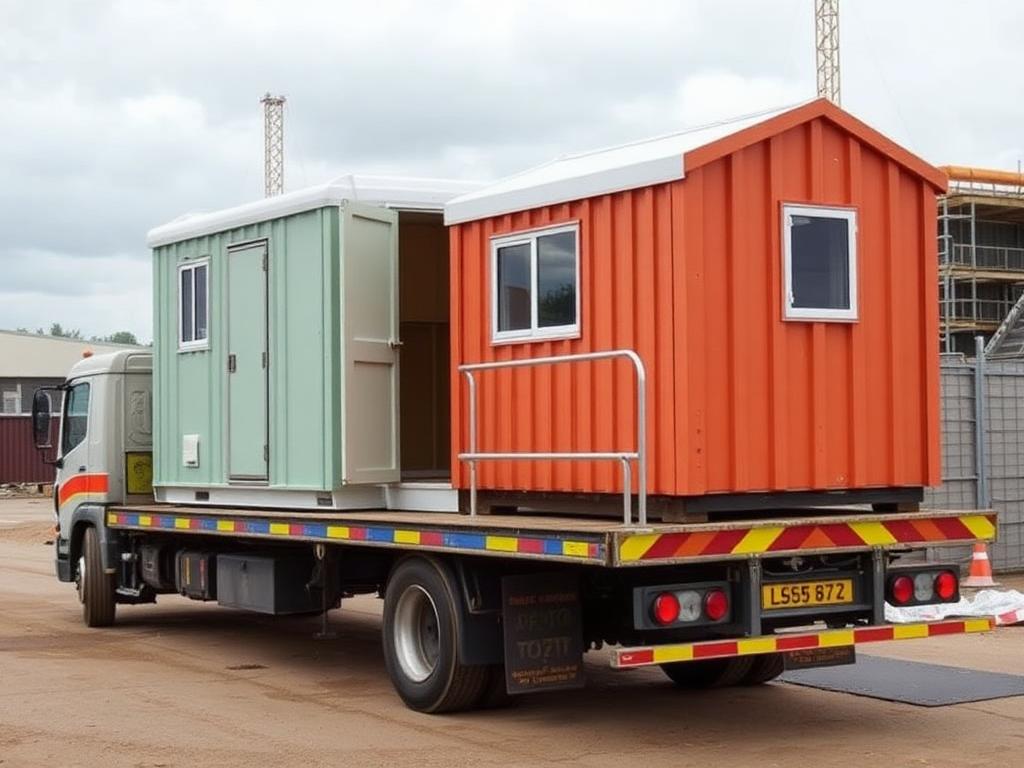
$60,000 – $300,000 a year
The classic 'boring business' millionaire route — recurring contracts, no competition for attention.
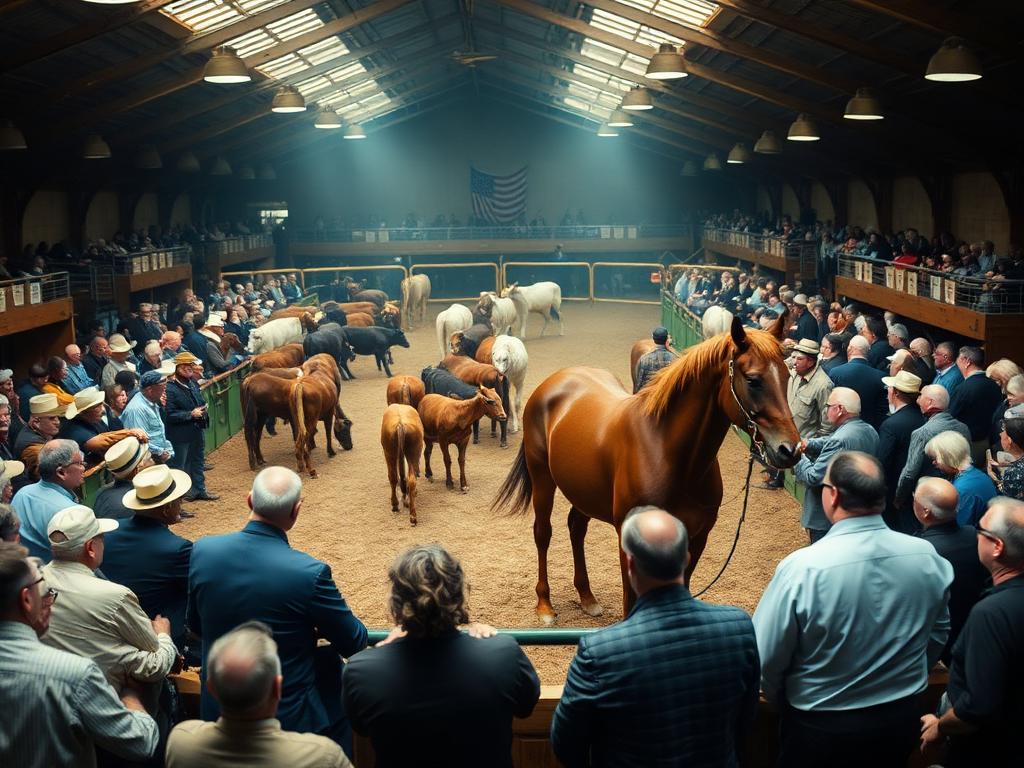
$40,000 – $900,000 a year
Breeding rights and stud fees create ongoing income from a single animal. High risk, spectacular upside.
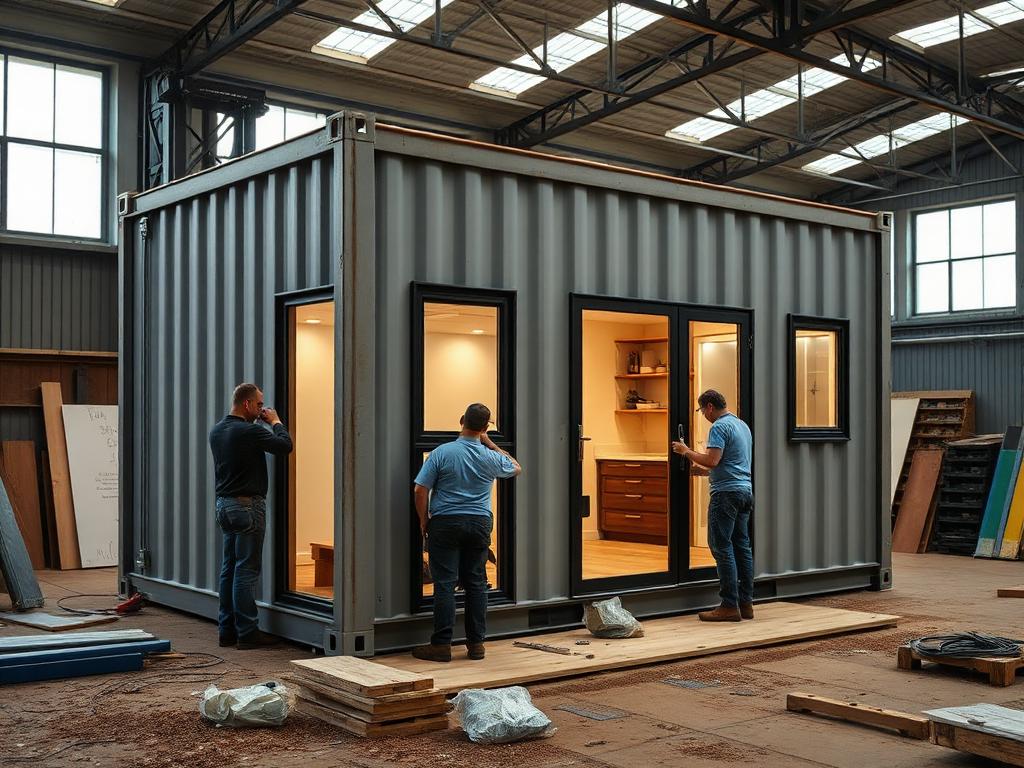
$55,000 – $250,000 a year
Buy a box for a few thousand, sell it as an office, pool or cabin for many times that.
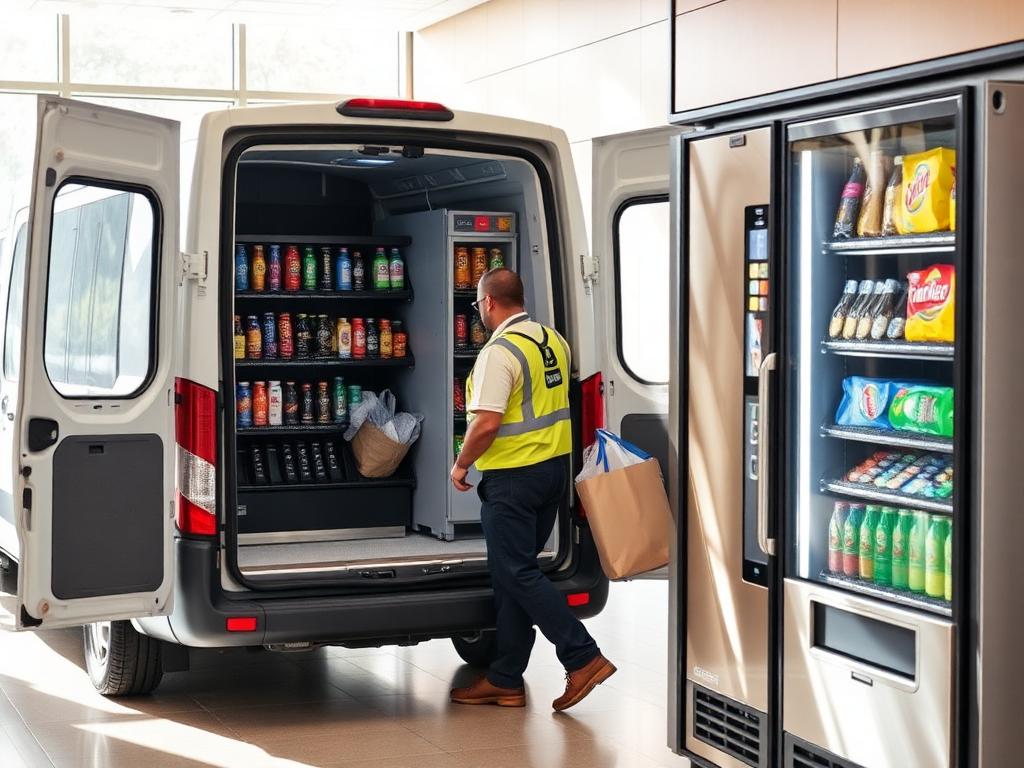
$40,000 – $220,000 a year
Buy several small operators, merge the routes, cut the driving. Boring, semi-passive, very profitable.
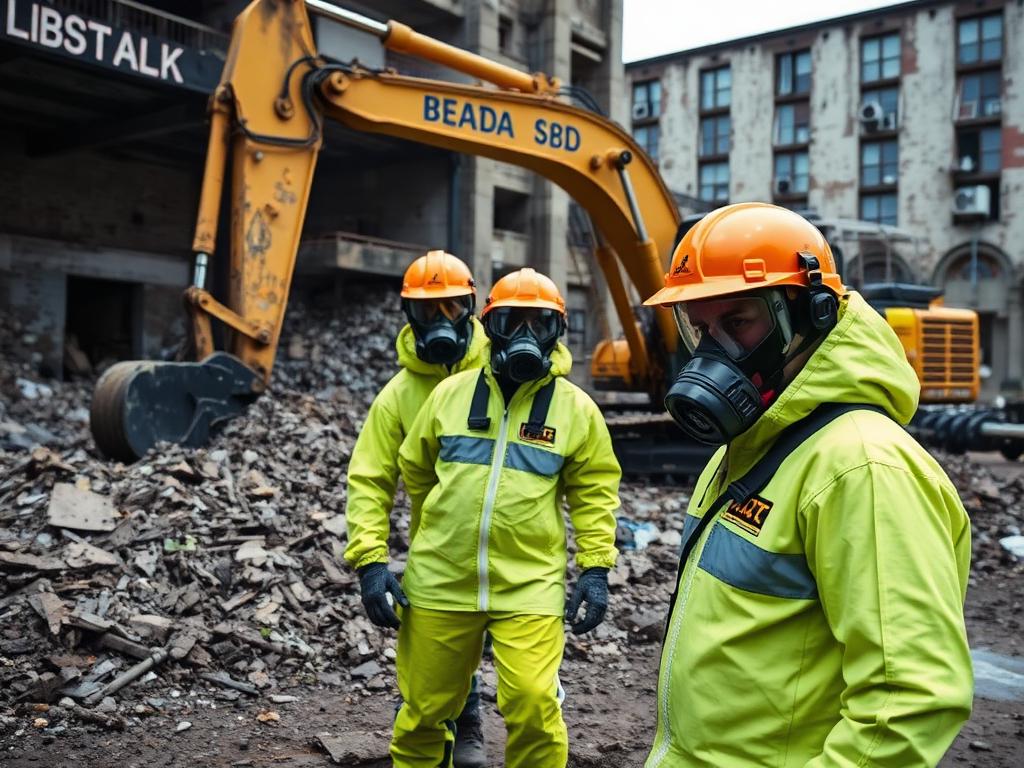
$70,000 – $400,000 a year
Licensing keeps competitors out. Every job is priced on risk, not hours.
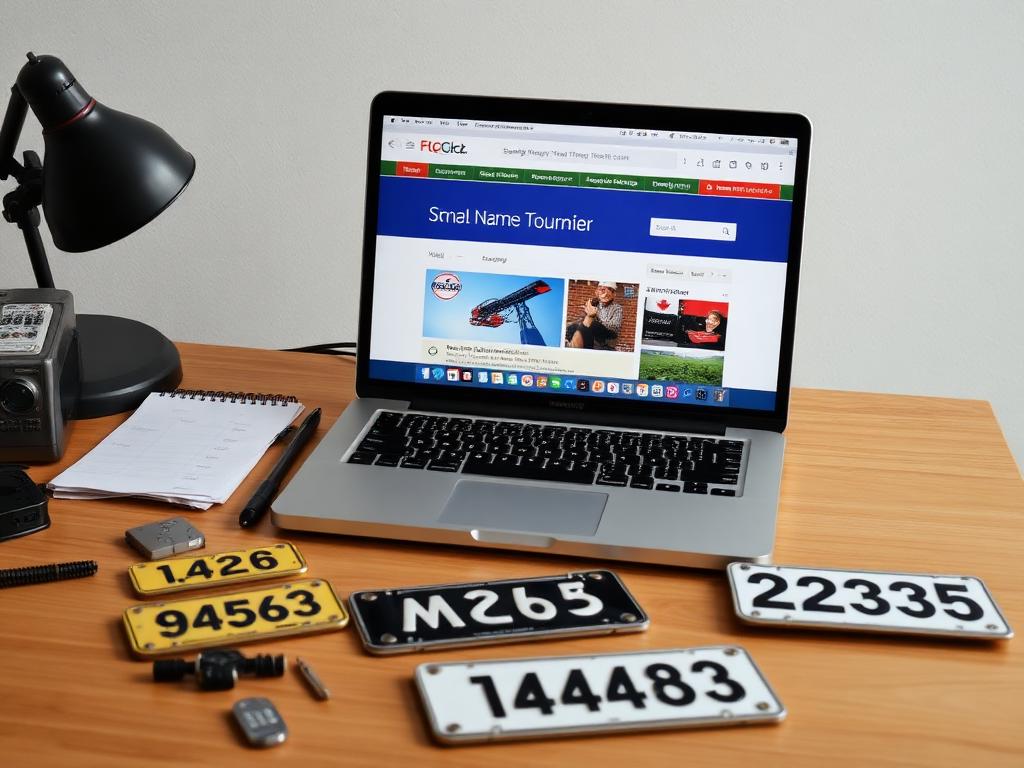
$10,000 – $500,000 a year
Registration plates, domains and rare parts — pure arbitrage on what buyers will pay for identity.
Ranges are indicative owner-operator earnings, not guaranteed income. Nothing here is financial or business advice.
Executive, finance, sales, resources and industrial roles — ordered by pay.
There is a hard ceiling on what an hourly rate can ever do for you. Even the best-paid salaried people on this website trade a fixed number of hours for a fixed number of dollars, and when they stop working the money stops with them. Big money is different. Big money comes from owning an asset, controlling a deal, or taking a slice of a transaction that is far larger than your own labour. That is why a farm machinery dealer, a plant hire operator and a business jet broker can quietly out-earn surgeons without ever setting foot in a lecture theatre. This section explains the mechanics behind each of those routes, who they suit, and what the honest risks are — because every big money model on this page also has a way of losing money just as fast.
The simplest way to make big money is to sell expensive things. A five per cent margin on a two hundred dollar item is ten dollars; the same margin on a four hundred thousand dollar combine harvester is twenty thousand. Nothing about the conversation is harder, the paperwork is barely longer, and the buyer is usually better informed and easier to deal with. This is the entire logic behind farm machinery dealing, truck and trailer sales, and aircraft brokerage. A private jet and superyacht broker works perhaps a dozen live deals a year and can still finish ahead of a partner in a law firm. Below that rarefied tier the same principle drives commercial property agents, luxury car salespeople and heavy machinery traders. The skills are relationship management, valuation instinct and the patience to sit through long sales cycles. The risk is inventory: if you own the stock and the market turns, you carry the loss.
The hire model is where boring becomes beautiful. You buy a crane, an excavator, a fleet of portable toilets or a rack of vending machines once, and it earns for ten to fifteen years. Revenue depends on utilisation rather than hours worked, which means the business keeps paying while you sleep, travel or buy the next unit. Plant and crane hire is the aristocrat of this category — a single mobile crane on long-term contract to a builder can generate six figures a year, and the crane operator you employ is a cost, not a ceiling. Site welfare hire, shipping container conversion and vending route roll-ups all run on the same maths at smaller scale. What makes or breaks these businesses is finance: the asset is bought on debt, so utilisation below your break-even point turns a profitable month into a painful one. Operators who survive obsess over maintenance schedules, contract length and keeping units off the yard.
Auctioneering, scrap recovery, livestock and bloodstock trading, and domain and plate flipping are all variations of the same skill: knowing the true value of something the seller has misjudged. An industrial auctioneer takes a commission on every lot in a factory clearance plus a buyer premium, and liquidations happen in a boom and a bust alike. Scrap and catalytic recovery pays because non-ferrous metal has a public market price while the seller usually does not know it. Bloodstock is the extreme case — one stallion with a stud book can generate income for twenty years. None of these require a degree; they require a network, a nose for pricing and enough capital to be wrong occasionally without being wiped out.
Specialist demolition and asbestos removal make big money precisely because most contractors legally cannot do them. Licensing, insurance and compliance keep the field small, so every job is quoted on the risk carried rather than the hours spent. The same protective moat sits under mining and resources contracting, drill operators and marine pilots. If you can obtain the ticket, the competition thins dramatically and your pricing power rises with it.
The final route is capital itself. Hedge fund founding partners, institutional stock brokers, stockbrokers and forex traders earn from performance fees, spreads and leverage, which is why the top of this website's rankings is dominated by finance and executive roles. It is also the least forgiving category on the page: leverage that multiplies gains multiplies losses identically, and most people who try it do not last. Treat our stock trading, forex and crypto pages as education, not encouragement.
The honest summary is this: big money almost never comes from working harder inside someone else's pay scale. It comes from putting yourself on the ownership side of a transaction — the asset, the licence, the commission or the margin. Every route above has people quietly earning several hundred thousand a year without a degree between them, and every route also has people who bought the wrong asset at the wrong point in the cycle. Pick the model that matches your appetite for risk, start smaller than feels impressive, and let utilisation and repeat customers do the compounding.